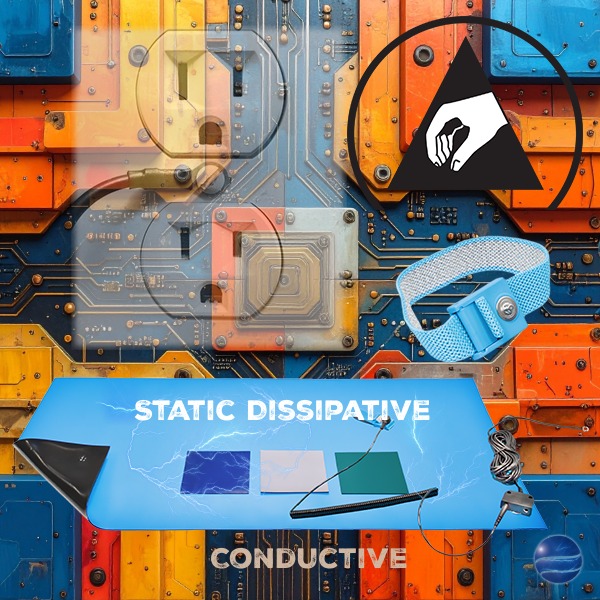
How Do ESD Mats Work?

Static Dissipative vs Conductive Mats

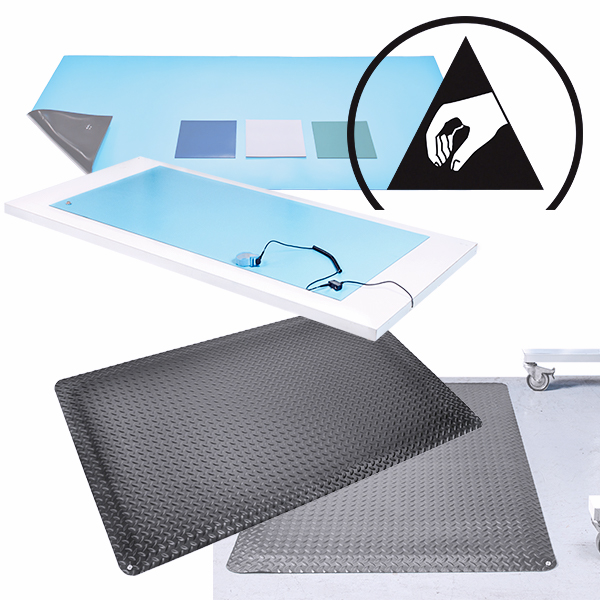
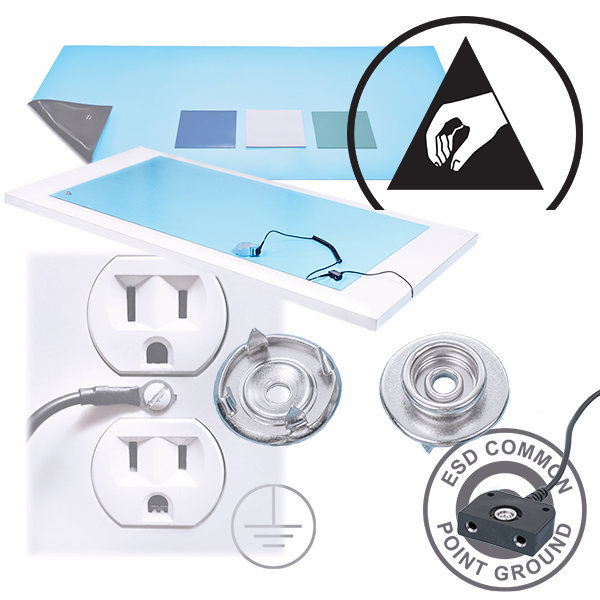
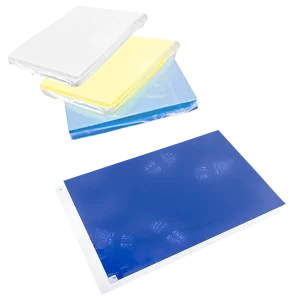
Sometimes there’s confusion about how ESD mats work and where they should be used. In professional ESD control programs, mats are selected and evaluated for their intended application in accordance with ESD Association standards.

For worksurfaces (benches, carts, shelves), use ANSI/ESD S4.1 criteria and test methods (e.g., resistance to groundable point and point-to-point). For floors/floor mats, use ANSI/ESD S7.1 for flooring material performance—and when the mat is part of a footwear/floor grounding system, evaluate it using the footwear + floor system test methods (and verify in the program per TR53).

Continue reading “How Do ESD Mats Work?” »

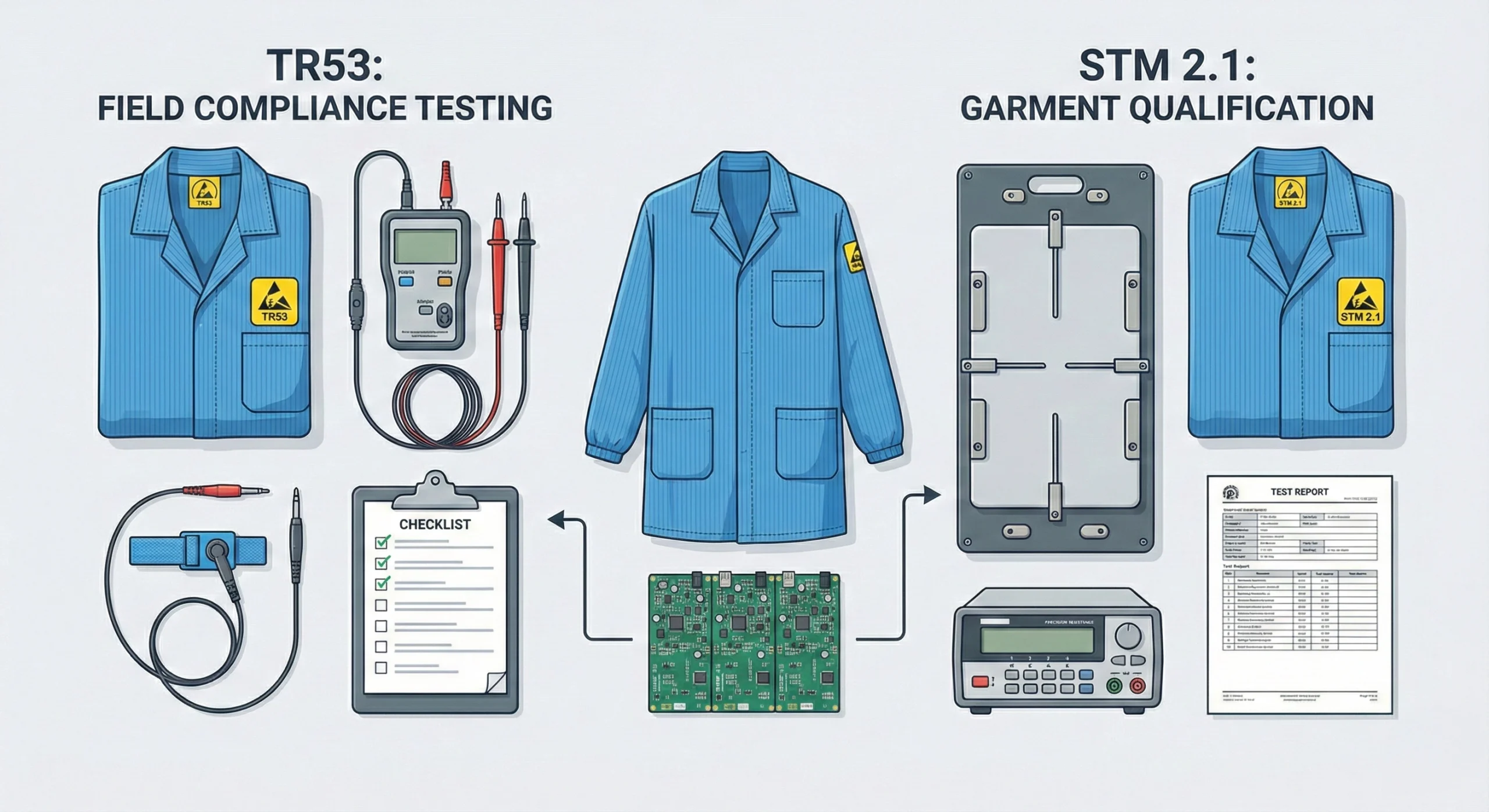
ESD Smock Testing Procedure for ANSI / ESD S20.20

Comparing ESD STM 2.1 and ESD TR53 in the context of ESD Smock Testing

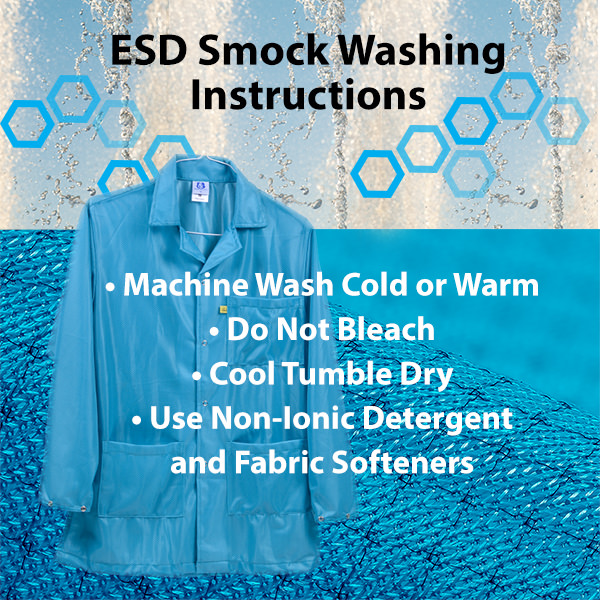
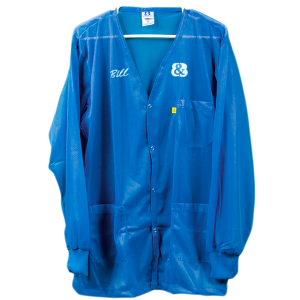
ESD Smock testing procedure requires the fabric to be measured as “static dissipative” on the Ohms scale and to be grounded (bonded electrically to a grounding system) so that it is not an isolated floating conductor. In this article, we review how ANSI / ESD S20.20-2021 defines ESD Smocks and explain the “isolated floating conductor” issue with wearing ESD clothing.

Continue reading “ESD Smock Testing Procedure for ANSI / ESD S20.20” »